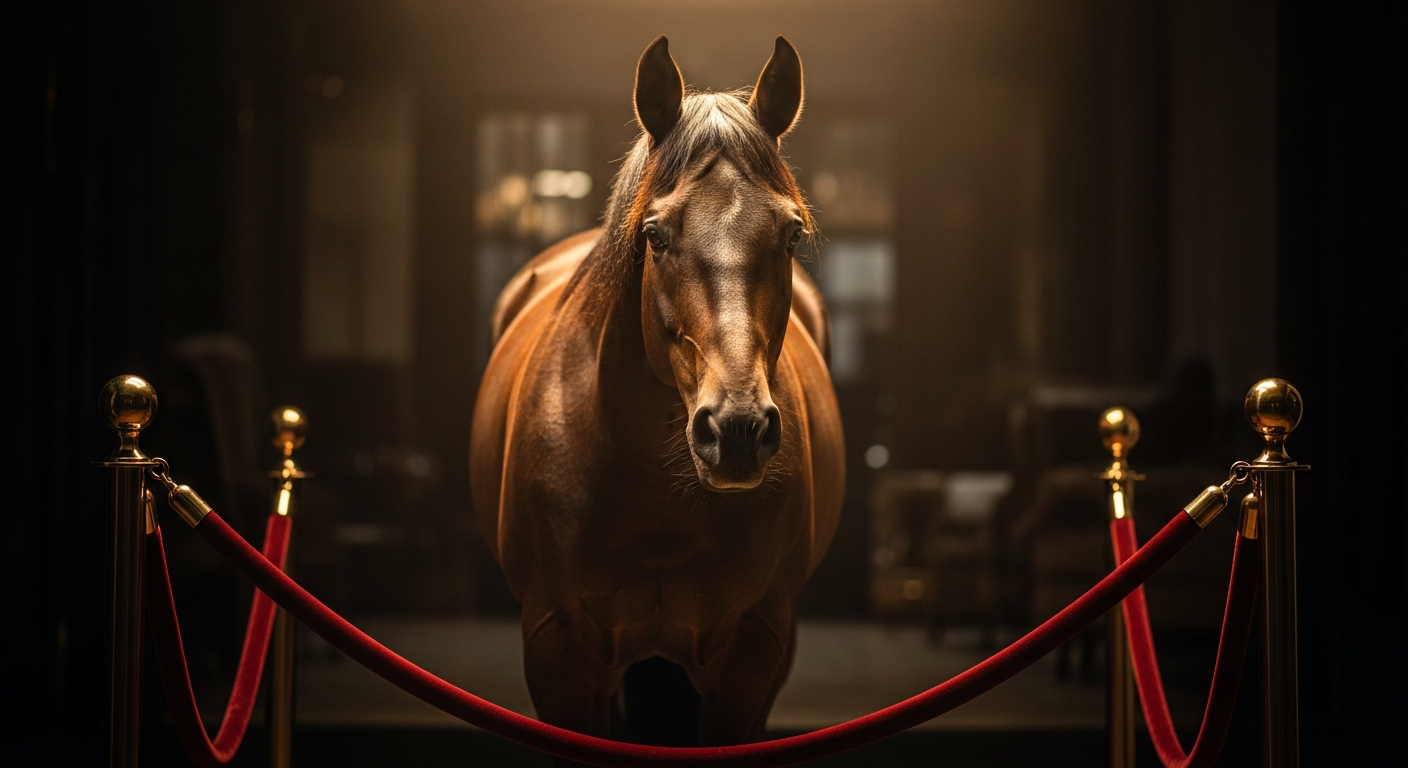
It usually starts innocently enough. You visit a friend at the yard, see that one horse — compact, calm, with that look that says "I've got this and we both know it" — and that's it. Suddenly you're googling "buy a western horse" at midnight, scrolling classified ads and wondering whether the garage could work as a tack room. Welcome. You're one of us now.
This guide takes you from that first thought through to collection day — helping you answer the questions that matter: Which breed suits me? What does a western horse really cost in Europe? And which mistakes do almost all first-time buyers make at least once?
What exactly is a western horse?
A western horse isn't an officially recognised breed — it's a collective term for horses bred, trained and used for western riding disciplines. Three breeds dominate the European market: the Quarter Horse, the Paint Horse and the Appaloosa. They share a common foundation — North American working horse heritage, compact build, calm temperament — but differ in genetics, colour and specialist strengths.
Western riding itself covers a wide range of disciplines:
- Reining: The showpiece discipline — precise spins, flying lead changes, sliding stops. The horse needs exceptional athleticism and trainability.
- Trail: A skill course with obstacles such as bridges, gates and poles. Calm temperament beats speed every time.
- Ranch Riding: Simulates real ranch work — walking, trotting and loping through a prescribed pattern. Ideal for genuine all-round horses.
- Western Pleasure: Movement quality is everything — slow, fluid gaits and maximum relaxation in the frame.
- Cutting & Cow Horse: The horse works cattle independently. Athletic foundation and cow sense are essential.
Your chosen discipline has a direct bearing on which breed — and which type within that breed — will suit you best.
The three major western breeds compared
Here's an honest overview — not the glossy sales pitch, but the real picture:
- Quarter Horse: The world's most-bred western horse. Compact, muscular, extraordinarily versatile. Whether reining, trail, ranch riding or relaxed leisure riding — the Quarter Horse does it all. Prices: roughly €5,000 to €60,000+, depending on training, papers and bloodlines. The most popular choice for beginners and serious competitors alike. → Full Quarter Horse buying guide
- Paint Horse: Genetically a Quarter Horse carrying the Paint colour gene — but the colour is far from the only thing that makes it special. Paint Horses are known for their balanced personality and genuine all-round character. Prices are similar to Quarter Horses. Important: not every pinto-coloured horse is an APHA-registered Paint — always check the papers. → Full Paint Horse buying guide
- Appaloosa: Instantly recognisable by its spotted coat — but beneath that coat is an athletic, independent horse with a long history. Appaloosas can be slightly more opinionated than Quarter or Paint Horses; in return they bring a look that's completely their own. Prices: €3,000 to €30,000+. Buyers should be aware of specific health risks (CSNB night blindness, equine recurrent uveitis). → Full Appaloosa buying guide
Which breed suits me?
The honest answer: it's less about the breed than about the individual horse and its training. That said, there are some useful pointers:
- Beginners and leisure riders: A well-trained Quarter Horse or Paint Horse with solid foundation work is the safest choice. You're looking for a calm, reliable horse — not a specific breed. An 8-to-14-year-old gelding with several years of show or lesson experience is ideal for a first horse.
- Ambitious leisure riders with future competition plans: If you think you might want to compete one day, it's worth paying attention to registration and bloodlines at purchase time — even if competition is still a distant thought.
- Reining or cutting: Quarter Horses historically and genetically dominate these disciplines. Look at bloodlines (Docs Stylish Oak, Gunner, Shiners Shadow) and at the sire's show record. A Quarter Horse without documented performance bloodlines is rarely the right competition mount.
- Trail and ranch riding: All three breeds work well here. What matters is rideability, basic trust and reliability in unfamiliar environments — and a horse that genuinely enjoys being out on the trail.
- Western Pleasure and halter classes: Movement quality is paramount. Look for a horse with a naturally low, fluid stride — heavily muscled, short-backed types tend to excel in working disciplines rather than the show pen.
- Riders who want something distinctive: The Appaloosa's look is unmistakeable — and if you appreciate an independent, self-assured horse, you'll love one. For beginners, only recommended with a solid training record.
Western horse prices in Europe — the honest picture
Western horses can be worryingly cheap and breathtakingly expensive — sometimes both, on the same market. Here's a realistic breakdown for Germany, Austria, Switzerland and Italy:
- Foals (unstarted): €2,000 – €10,000. Without papers at the lower end; top pedigree commands significantly more.
- Young horses (2–4 years), started under saddle: €4,000 – €15,000. Note: a "started" young horse is not a beginner's horse.
- Leisure horse with solid training (5–12 years): €5,000 – €20,000. This is the segment with the best value-to-safety ratio for first-time buyers.
- Sport horse (competition record, show results): €15,000 – €80,000+. You pay for proven performance — and proven performance has a price.
Add ongoing costs that are easily forgotten at purchase time: livery (€300–€800/month depending on region), vet, farrier, equipment. Budget at least €600–€1,200 per month — regardless of the purchase price.
What to genuinely watch out for when buying
This checklist isn't padding — it's based on the mistakes buyers most often regret afterwards:
- Pre-purchase examination (PPE) by an independent vet: No further comment needed — just do it. Always. No exceptions.
- Verify registration papers directly: Visit AQHA.com, APHA.com or appaloosa.com and check the registration yourself. A physical document can be forged; a live database entry cannot.
- At least two trial rides: The first visit shows the horse; the second often reveals reality. Different times of day, different situations.
- Get to know the seller: Who is the person behind the listing? Can they demonstrate the horse themselves? Can they answer questions about training history?
- Everything in writing: Verbal agreements are worthless if the horse turns up lame three weeks later and nobody remembers saying anything.
- Professional transport: Moving the horse with minimal stress is non-negotiable — neither a friend's untested trailer nor the cheapest option available.
The purchase contract — what must it include?
A handshake is honourable — a written purchase contract is better. When a transaction can reach five or six figures, it's simply essential. Every serious horse sale agreement should cover:
- Full description of the horse: Registered name, breed, registration number (AQHA/APHA/ApHC), microchip number, year of birth, sex, colour.
- Purchase price and payment terms: When is payment due, and in what form? Deposit upfront, remainder on collection? Put it in writing.
- PPE results: If a pre-purchase examination was carried out, reference it or attach the vet's findings report to the contract.
- Collection date and transfer of risk: From what point does the risk pass to the buyer? It must be defined precisely — at collection, not at signing.
- Warranty terms or exclusions: Which known issues are disclosed? Which does the seller explicitly exclude? Ambiguity here is expensive later.
- Return clause or trial period: Not always standard, but sometimes negotiable — particularly for horses that haven't yet arrived at their new yard.
- Transfer of breed papers: When and how will AQHA, APHA or ApHC papers be transferred to the new owner? This should be settled at purchase time and documented in the contract.
Classic beginner mistakes — so you don't have to make them yourself
Almost everyone buying their first western horse makes at least one of the following. You don't have to:
- Confusing "bomb-proof" with "safe for beginners": A horse that's rock-solid at a show ground can still be too much horse for an inexperienced rider. The response to unskilled aids is what counts.
- Buying without a trial ride: Photos and videos don't replace a single minute in the saddle. Ever.
- Impulse buying at a show or auction: The atmosphere is emotional. Decisions made under time pressure are almost always wrong.
- Ignoring registration status: "It definitely has papers, they just need to be transferred" is a classic. Either the transfer is complete at purchase or it isn't.
- Underestimating the running costs: The purchase price is the smallest expense. Over ten years, the horse will cost you more than your car.
- Buying young to save money: A two-year-old foal is not a riding horse. The years until it's genuinely rideable cost time and money.
- Rushing the settling-in period: Once the horse arrives, plan at least two weeks of quiet adjustment — no training pressure, no new demands. The horse needs time to learn the environment and bond with you.
Where to buy a western horse in Europe
The European western horse market has become significantly more professional over the past decade. Even so, the right platform makes all the difference between finding serious listings and wasting your time.
- Breeders: The first choice if you want a foal or young horse with a clean documented background. Good breeders know their horses across generations — and give honest assessments of strengths and weaknesses.
- Private sellers: Often the most interesting listings in the mid-price range. Require more independent research and a reliable PPE.
- Dealers and trainers: Professional, often with comprehensive training — but the price range is wider. Always ask who trained the horse and how long it has been with the dealer.
Read next: If your dream horse is abroad, our guide on horse transport in Europe covers paperwork, costs, and EU rules.
Read next: Considering a foal instead of a finished horse? Our foal-buying guide covers selection, pedigree, vet check and realistic costs.
Read next: Once you have found your Western horse, the contract is the next step. Our horse purchase agreement guide explains required content, the PPE clause, handover and defect liability — the key tools for a clean purchase.
Read next: Before you commit, do the honest math. Our guide how much does a Western horse cost? walks through realistic ranges for purchase, board, farrier, vet and insurance across DACH and Italy — May 2026.
Read next: Interested in barrel racing? Our guide buying a barrel racing horse in Europe covers bloodlines, prices, the pre-purchase exam and where to find a real barrel horse on the continent.
Your first western horse — and where to find it
Dream Quarters is Europe's specialist marketplace for western horses: Quarter Horses, Paint Horses and Appaloosas from Germany, Austria, Switzerland and Italy — with photos, videos, prices and direct contact to sellers.
No general horse portal, no search diluted by dozens of leisure breeds. Western horses only — exactly as you're looking for them.